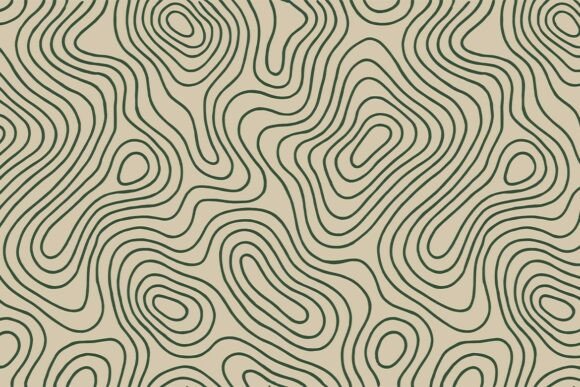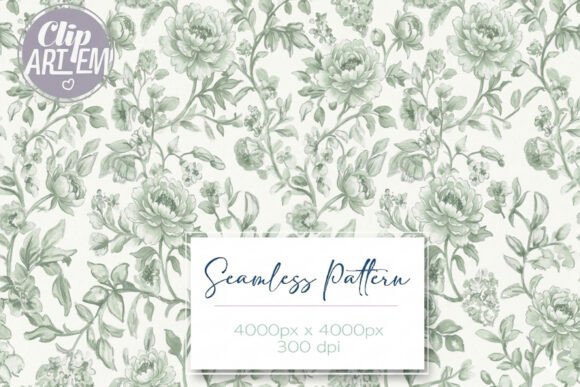
Sage Green Toile Seamless Pattern Rose
Imagine a design asset that instantly imbues a project with the quiet confidence of heritage and the fresh appeal of modern color theory. The Sage Green Toile Seamless Pattern Rose is precisely that—a versatile digital tool that bridges classic artistry with contemporary graphic design needs. This elegant rose floral digital paper, with its delicate hand-illustrated botanical layout and sophisticated sage and cream palette, offers more than just beauty; it provides a strategic foundation for creating cohesive, high-end visual communication across numerous platforms.
The Anatomy of a Timeless Design Element
At its core, this pattern is a masterclass in visual hierarchy and balanced composition. The classic toile de jouy style, characterized by its intricate, scenic illustrations, is reinterpreted here with a focused botanical motif. The sage green color palette is not merely trendy; it's psychologically associated with tranquility, growth, and sophistication, making it a powerful choice for brand identity systems aiming to convey reliability and elegance. The seamless tile format is its most practical feature, allowing for flawless repetition in print design, from fabric yardage to large-scale wallpaper, and in digital marketing assets, ensuring a professional presentation without visible joins or distractions.
Practical Applications for Designers and Creators
The true value of a premium creative asset like this lies in its adaptability. Its utility spans the full spectrum of a designer's workflow, enhancing projects from initial concept to final delivery. Consider these applications:
- Branding and Packaging Design: Use the pattern as a background for logo design mockups, business stationery, or luxury product packaging. It establishes an immediate sense of artisanal quality and thoughtful brand identity.
- Marketing and Social Media Graphics: Create scroll-stopping social media graphics, email newsletter headers, or digital ad banners. The pattern's detail captures attention, while its seamless nature ensures a clean, cohesive look across all visual design touchpoints.
- Editorial and Web Design: In editorial design, it serves as a stunning background for feature articles or magazine covers. For UI design and web design, it can be used sparingly for hero section backgrounds, accent panels, or as a texture in UX design elements to add depth without compromising readability.
- Physical Products and Merchandise: This is where the 300 DPI, high-resolution file excels. It is perfectly suited for print design on textiles like silk scarves and tote bags, as well as on stationery items such as wedding invitations, journals, and luxury gift wrap.
Integrating Pattern into Your Design Workflow
To leverage this asset effectively, thoughtful integration is key. Begin by analyzing your project's color palette. The sage green and cream combination pairs beautifully with warm neutrals, deep navy, or terracotta accents, allowing for flexible typography and supporting graphic choices. When applying the pattern, consider scale and density. A full-bleed application makes a bold statement, while a smaller, repeated tile can function as a subtle texture.
Always maintain visual hierarchy. Use the pattern to frame or highlight key content, not to overwhelm it. Pair it with clean, sans-serif typography for a modern contrast, or with a classic serif font to enhance the vintage aesthetic. Test its application in mockups to ensure it aligns with the project's goals—whether that's conveying luxury, nostalgia, or refined simplicity. This process of evaluation ensures the pattern enhances, rather than distracts from, your core message.
In the ever-evolving landscape of design trends, the most enduring assets are those that combine aesthetic appeal with functional versatility. A resource like the Sage Green Toile Seamless Pattern Rose empowers designers to create work that is not only visually compelling but also strategically sound. By investing in quality design inspiration and assets, you streamline your design workflow, elevate the professionalism of your output, and ultimately craft experiences that resonate deeply with your audience. Thoughtful selection of such elements is what transforms good design into truly exceptional communication.