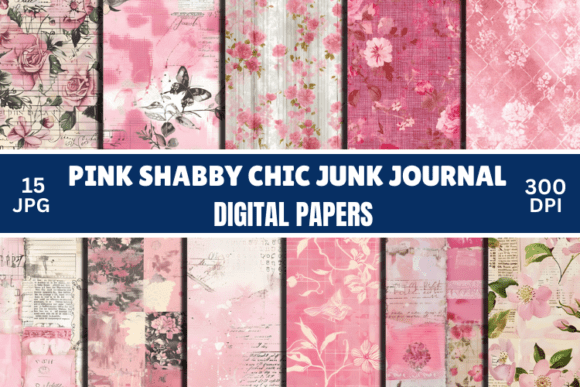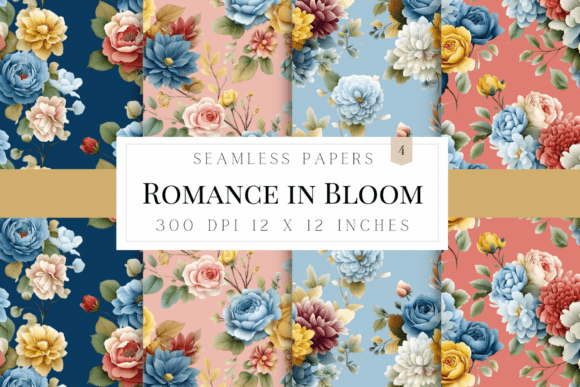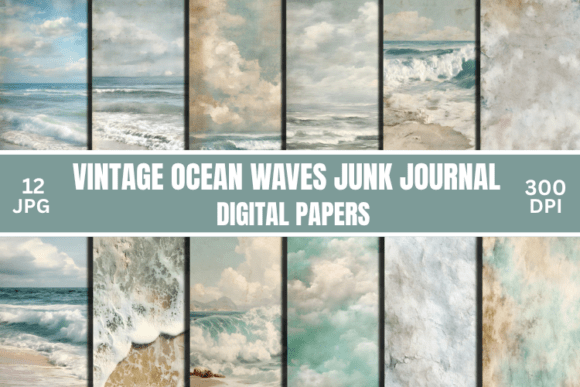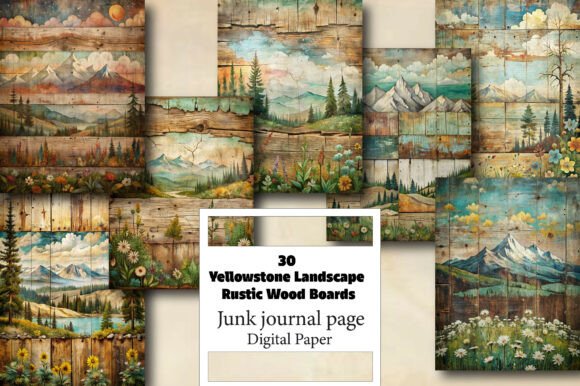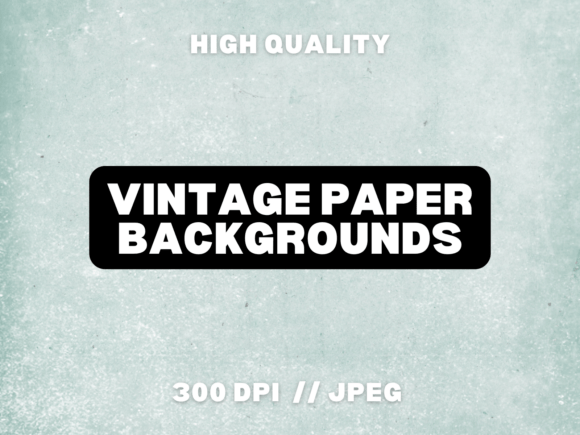
4 Vintage Paper Backgrounds for Timeless Design
Every designer knows the power of texture to transform a flat digital canvas into something with soul and story. In an era of clean lines and minimalist interfaces, the strategic use of aged, tactile elements like our 4 Vintage Paper Backgrounds provides a compelling visual contrast, immediately adding depth, character, and a sense of history to any project. This curated set is more than just a texture pack; it's a versatile design tool for crafting narratives that resonate.
The Role of Textured Backgrounds in Modern Branding
In visual design, texture is a critical component of visual hierarchy and emotional impact. A vintage paper background does more than fill space; it sets a tone. For brands aiming to communicate heritage, authenticity, craftsmanship, or nostalgia, these textures become foundational to the entire brand identity. They can influence logo design concepts, inform a warm color palette, and guide the selection of complementary typography, such as serif fonts or hand-lettered scripts, to create a cohesive and memorable visual language.
Consider how a subtle, aged paper texture behind a logo can soften a brand's presentation, making it feel more approachable and rooted in tradition. This application is particularly effective for businesses in artisanal goods, boutique hospitality, independent publishing, or any service where a human touch is a key differentiator.
Practical Applications Across Creative Projects
The utility of these high-resolution JPG backgrounds extends far beyond a single use case. Their versatility makes them a valuable asset in a designer's toolkit for numerous applications:
- Marketing & Editorial Design: Use them as foundational layers for print advertisements, brochure layouts, or magazine spreads to create a rich, editorial feel. They are perfect for vintage-themed campaigns or storytelling pieces.
- Digital Presence & Social Media: Elevate social media graphics, blog post headers, or website hero sections with a textured backdrop that adds sophistication and breaks the monotony of solid colors, improving user engagement through visual interest.
- Packaging & Product Design: In packaging design, texture communicates quality and care. A vintage paper background can be used for labels, hang tags, or box designs for products like coffee, candles, stationery, or gourmet foods.
- Invitations & Personal Stationery: From wedding invitations to business thank-you cards, these backgrounds provide an elegant, personal base that digital printing alone cannot achieve.
Integrating Textures Effectively into Your Design Workflow
Simply overlaying a texture isn't enough. To use assets like the 4 Vintage Paper Backgrounds effectively, thoughtful integration is key to maintaining professionalism and readability.
- Adjust Opacity and Blending: Rarely use a texture at 100% opacity over large text areas. Experiment with blending modes like Multiply or Soft Light and reduce opacity to let the texture influence the mood without sacrificing the legibility of your primary content or typography.
- Maintain Visual Hierarchy: Ensure your foreground elements—logos, headlines, and call-to-action buttons—have sufficient contrast against the textured background. This might involve adding a semi-transparent solid shape or a subtle drop shadow behind critical text.
- Ensure Consistency: When using a texture across a brand system, apply it consistently. The same texture or set of textures should appear across all touchpoints to reinforce brand recognition, from the website UI design to printed collateral.
Ultimately, the choice of creative assets defines the quality of your visual communication. By selecting thoughtfully crafted resources like these vintage backgrounds, you equip yourself to create designs that are not only aesthetically pleasing but also rich in narrative and emotional resonance. This attention to detail elevates your work, strengthens client projects, and demonstrates a sophisticated understanding of design principles that connect with audiences on a deeper level.